
India-UAE Strategic Pacts: A New Era for Cross-Border Business Expansion
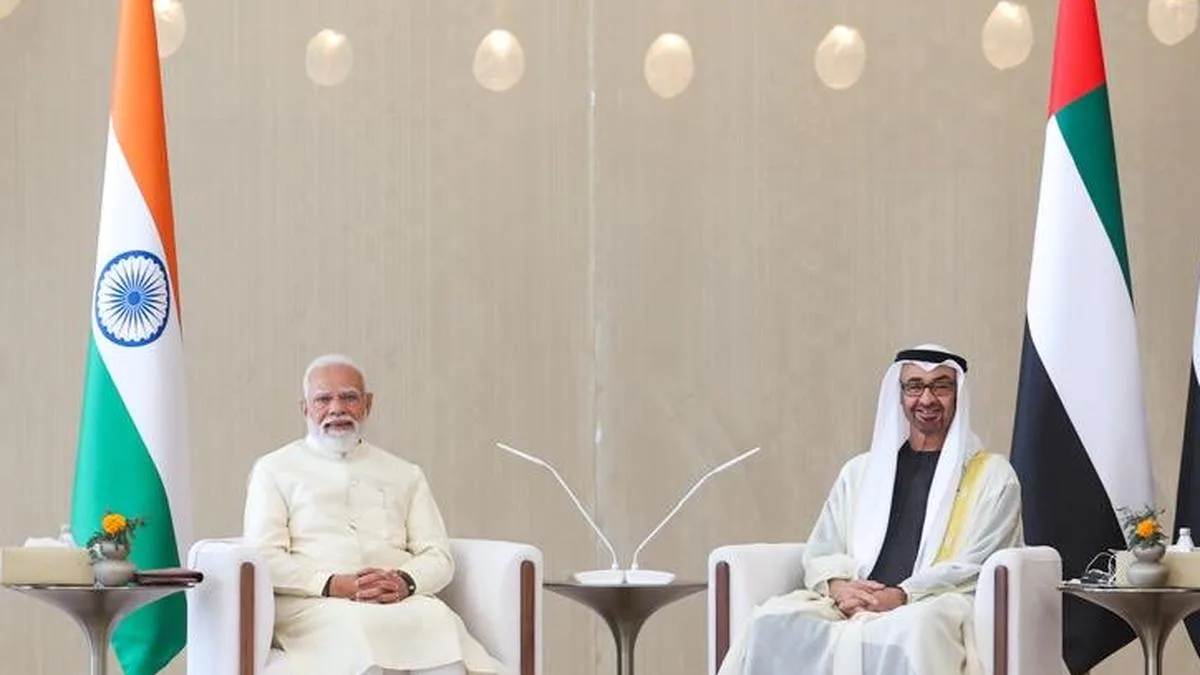
The economic landscape of the Middle East and South Asia advanced significantly today, May 15, 2026. During a high-stakes diplomatic visit to Abu Dhabi, Indian Prime Minister Narendra Modi and UAE President Sheikh Mohamed bin Zayed Al Nahyan signed landmark bilateral agreements.
These strategic pacts deepen the historic ties between the two nations, focusing on long-term energy security, supply chain resilience, and maritime defense cooperation. For Indian corporations, SMEs, and startups, this historic milestone provides a secure, legally fortified framework for expansion into the Gulf Cooperation Council (GCC) market.
Key Highlights of the Summit
1. Fortifying Energy Security via LPG Supplies
A cornerstone of the visit is a major, long-term commercial agreement signed between Indian Oil Corporation (IOCL) and the Abu Dhabi National Oil Company (ADNOC).
- The Agreement: ADNOC will guarantee consistent, long-term Liquefied Petroleum Gas (LPG) supplies to India.
- Commercial Impact: This treaty stabilizes fuel import prices, protecting Indian manufacturing, chemical industries, and domestic energy sectors from sudden global market shocks.
2. Formalizing Strategic Petroleum Reserves
Building on existing oil storage frameworks, both nations formalized new pacts regarding Strategic Petroleum Reserves (SPR).
- The Mechanism: Joint management and storage protocols ensure a stable, uninterrupted energy pipeline to India during global supply chain crises.
- Commercial Impact: Indian industrial operators can forecast production costs with higher precision, knowing federal energy reserves are insulated from geopolitical volatility.
3. Advanced Defense and Maritime Route Cooperation
Security is the bedrock of predictable international commerce. The leaders established new bilateral frameworks for joint defense and maritime security.
- The Focus: Protecting critical trade routes across the Arabian Sea, the Gulf of Oman, and vital choke points.
- Commercial Impact: Reduced security risks translate directly to lower maritime insurance premiums and predictable transit times for freight forwarders and export-import houses.
4. Diplomatic Anchoring for Regional Peace
PM Modi reiterated India’s absolute commitment to fostering peace and diplomatic stability in West Asia. Highlighting the deep trust between the two leadership circles, Modi described the UAE as a "true treasure" for regional stability. This diplomatic alignment ensures a welcoming, highly cooperative regulatory environment for Indian corporate entities operating in the Emirates.
The Directory Impact: What This Means for Your Business
This summit changes how cross-border expansion works between India and the Gulf. It goes beyond simple politics, directly de-risking Foreign Direct Investment (FDI).
Accelerating the CEPA Advantage
These new agreements work alongside the existing Comprehensive Economic Partnership Agreement (CEPA). They make it easier to set up operations, move capital, and clear customs.
- Simplified Corporate Setup: Clearer paths to transition from Indian entities to UAE mainland or free zone setups (such as ADGM, DMCC, or JAFZA).
- Tariff Calibration: Enhanced opportunities to leverage zero-duty corridors for qualifying goods.
How to Navigate the New Regulatory Landscape
While these federal treaties open massive economic doors, your business must comply with evolving legal definitions, corporate tax structures, and bilateral cross-border compliance laws. To successfully capitalize on these updates, expanding enterprises should focus on three operational pillars:
1. Corporate Governance & Structure Alignment
Choosing between a UAE mainland license or a specialized free zone requires deep structural analysis. New frameworks may introduce fast-tracked corporate licensing for specific industries like clean energy, logistics, and tech-driven trade.
2. Supply Chain & Contractual Re-calibration
With maritime security and energy pacts officially enacted, cross-border commercial contracts should be updated. Logistics agreements, force majeure clauses, and shipping routes can be optimized to leverage these newly protected trade corridors.
3. Trade Compliance & Tax Optimization
The interaction between Indian corporate law and UAE’s updated tax laws requires careful management. Businesses must align their operations with international transfer pricing rules, double-taxation avoidance agreements (DTAA), and the newest CEPA compliance guidelines.
Take the Next Step: Connect with Verified Experts
Do not let regulatory ambiguity slow down your expansion plans during this profitable economic window. Success in the Gulf requires reliable, localized legal and operational expertise.
Our platform provides a curated network of Verified Corporate Lawyers and Trade Consultants specializing in India-UAE trade corridors. These experts can help your business:
- Secure necessary commercial licenses in Abu Dhabi, Dubai, and across the Emirates.
- Draft bulletproof cross-border joint venture and distribution agreements.
- Optimize your corporate tax footprint under current 2026 regulations.
- Ensure full compliance with both Indian export controls and UAE customs frameworks.
Ready to scale your business securely across the Gulf? Contact a verified trade consultant on our platform today to align your corporate strategy with the latest bilateral agreements.